Yo Macho
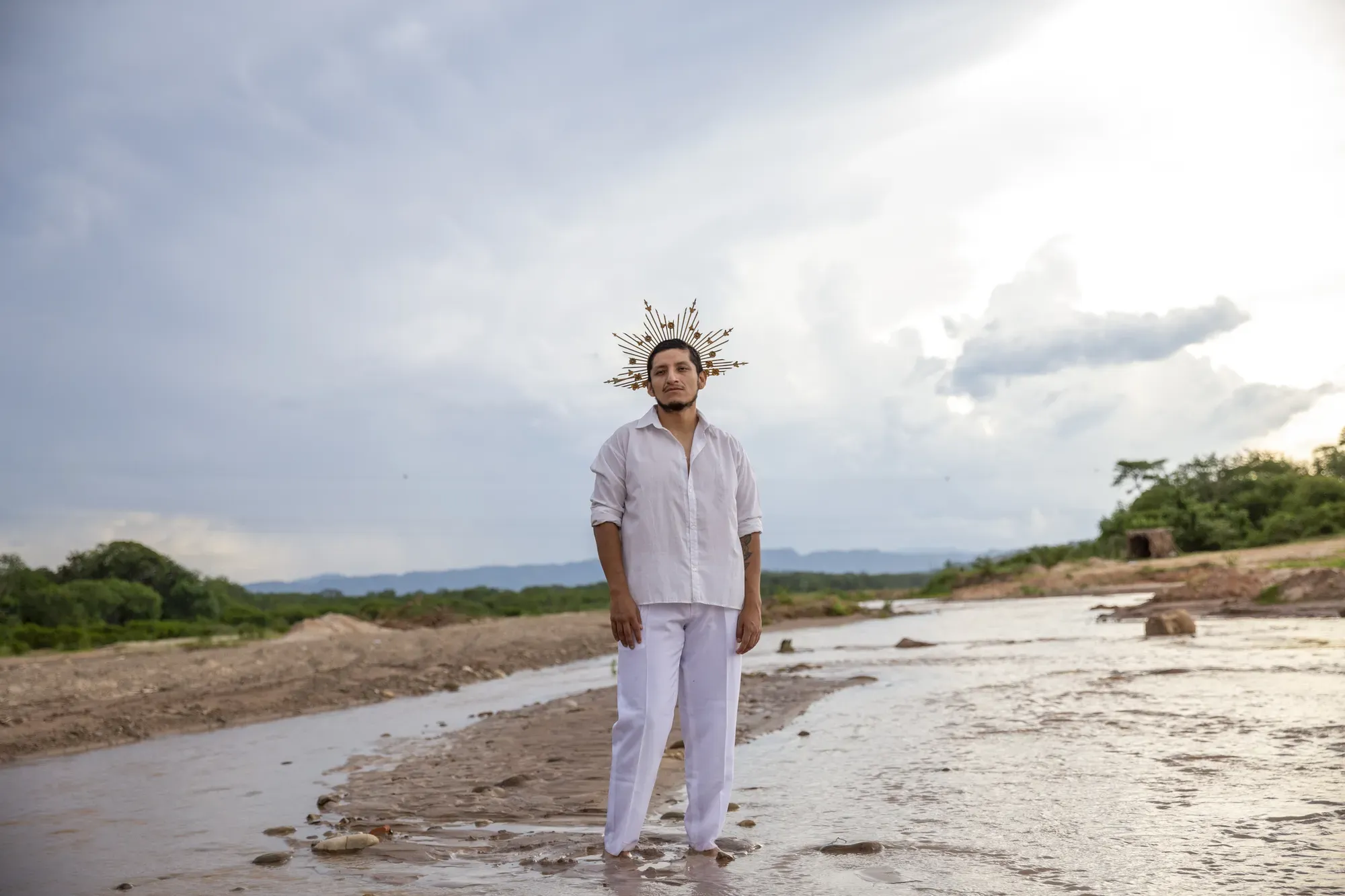
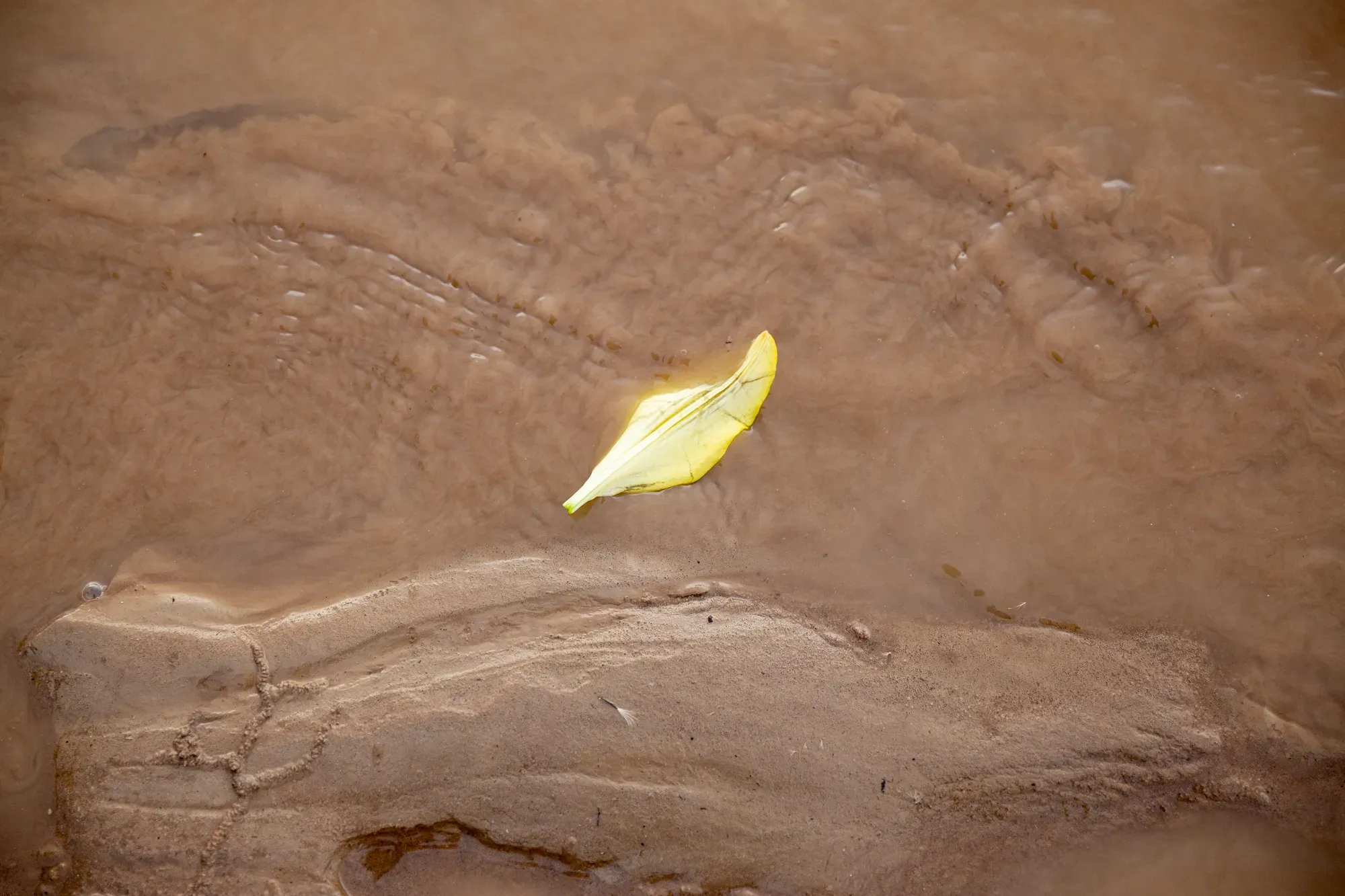
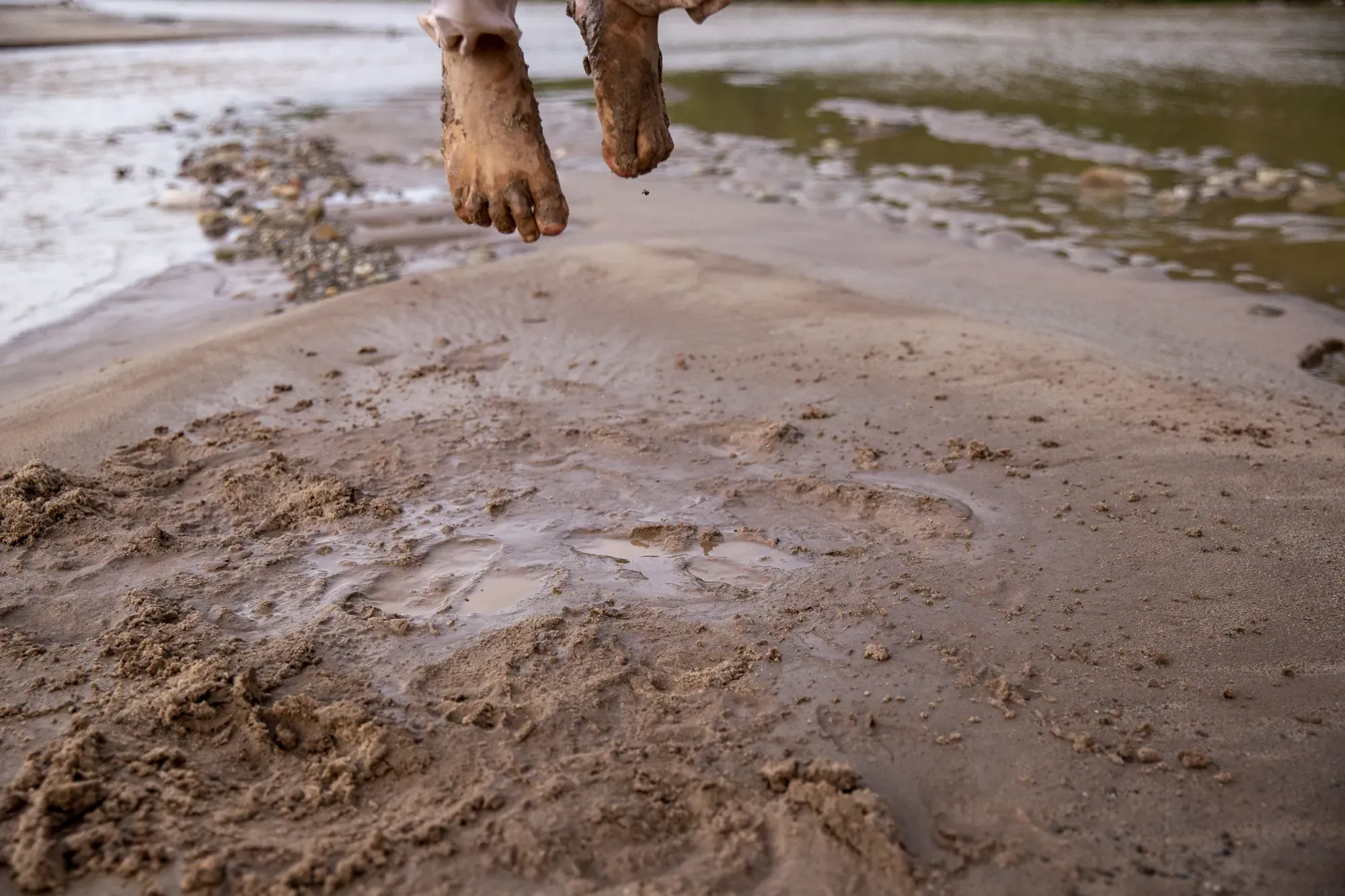
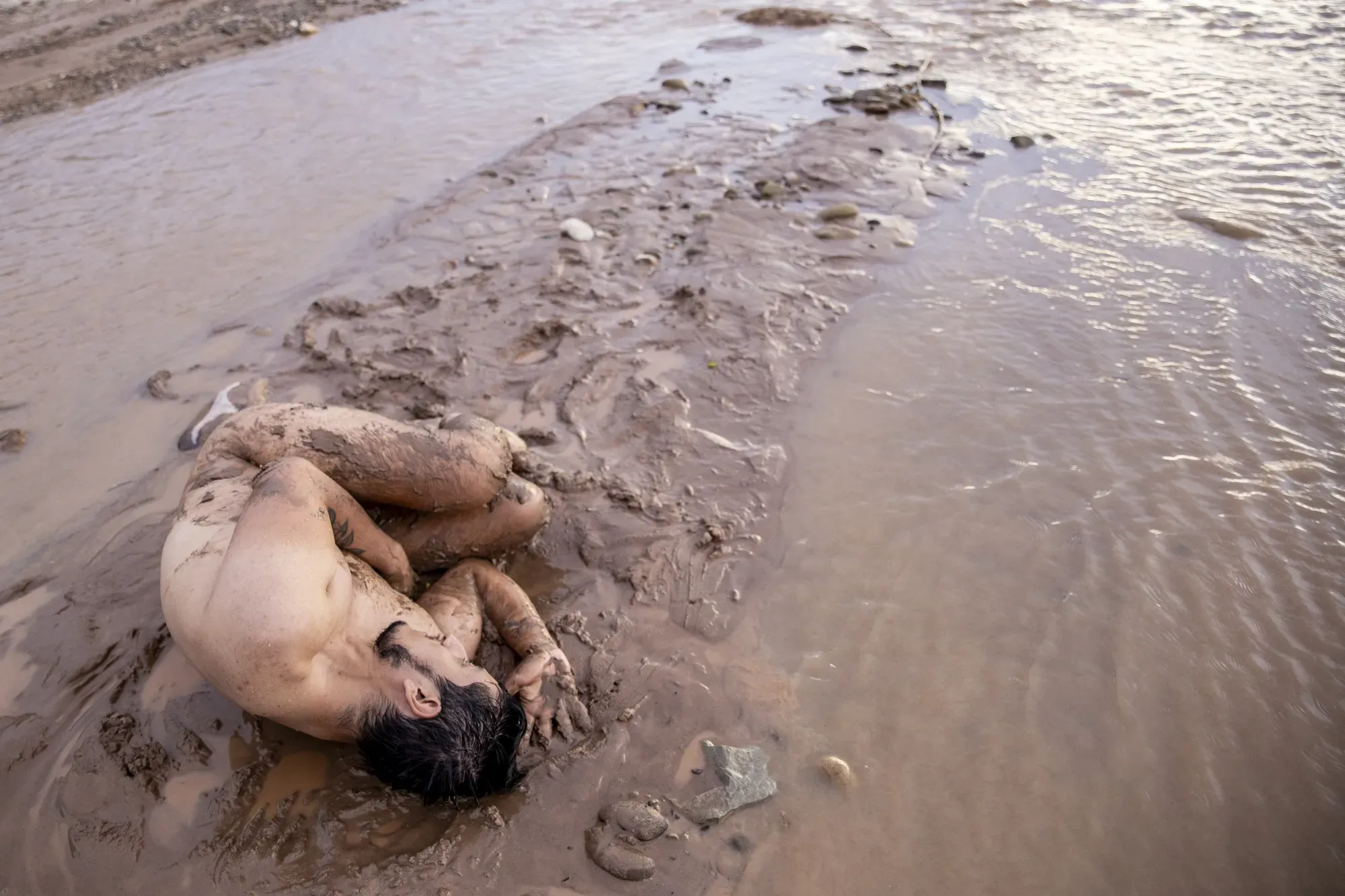
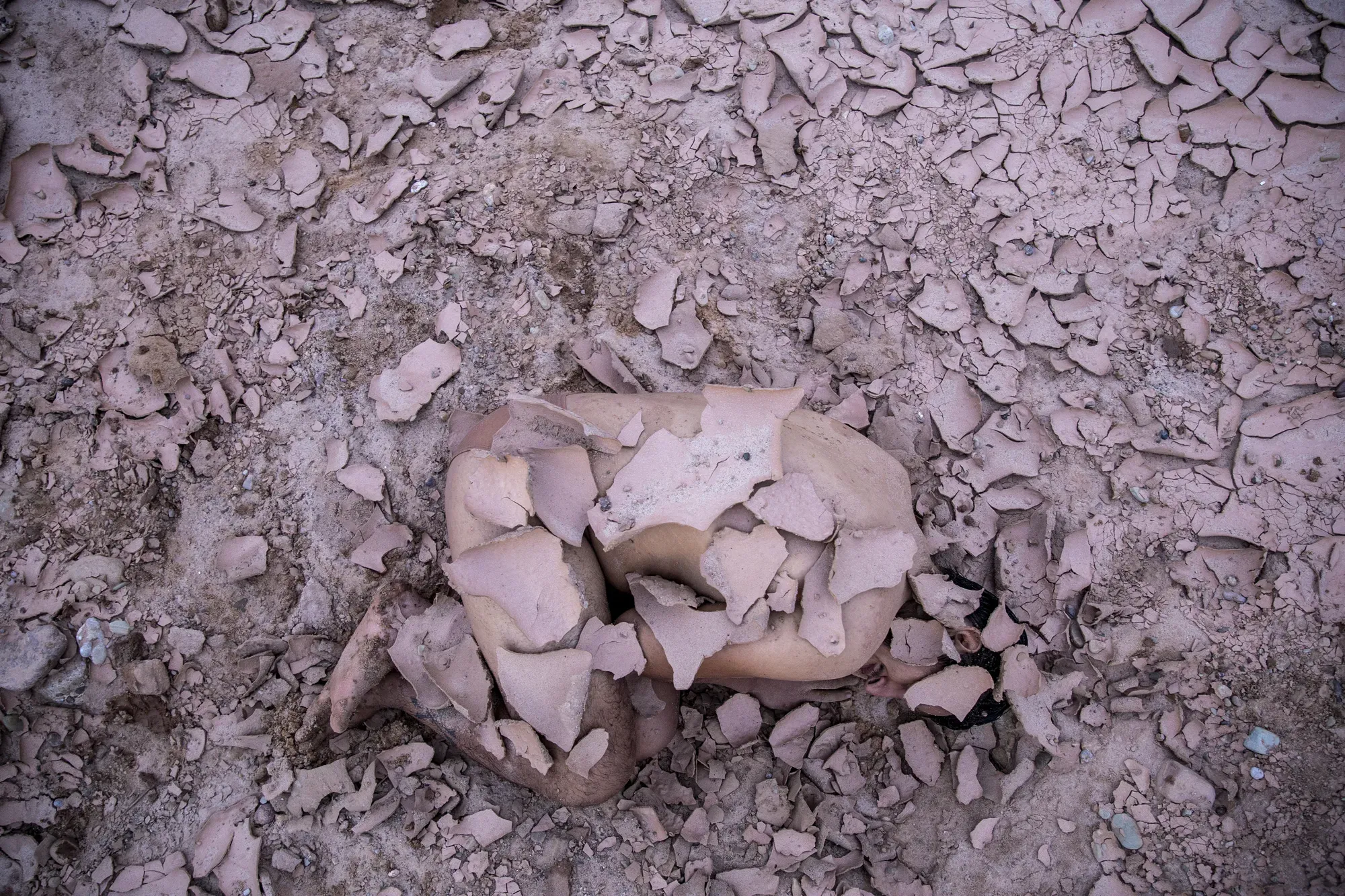
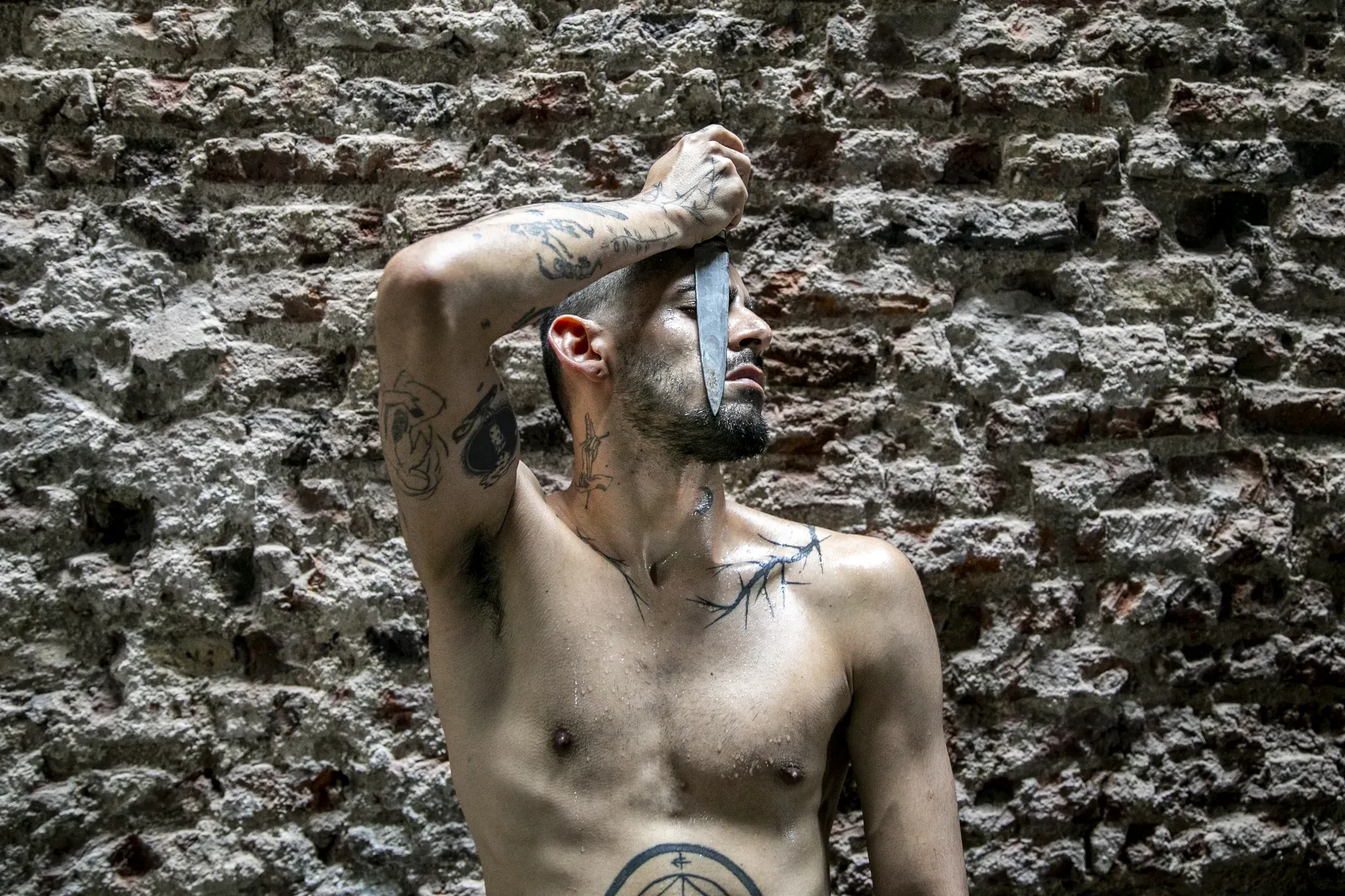
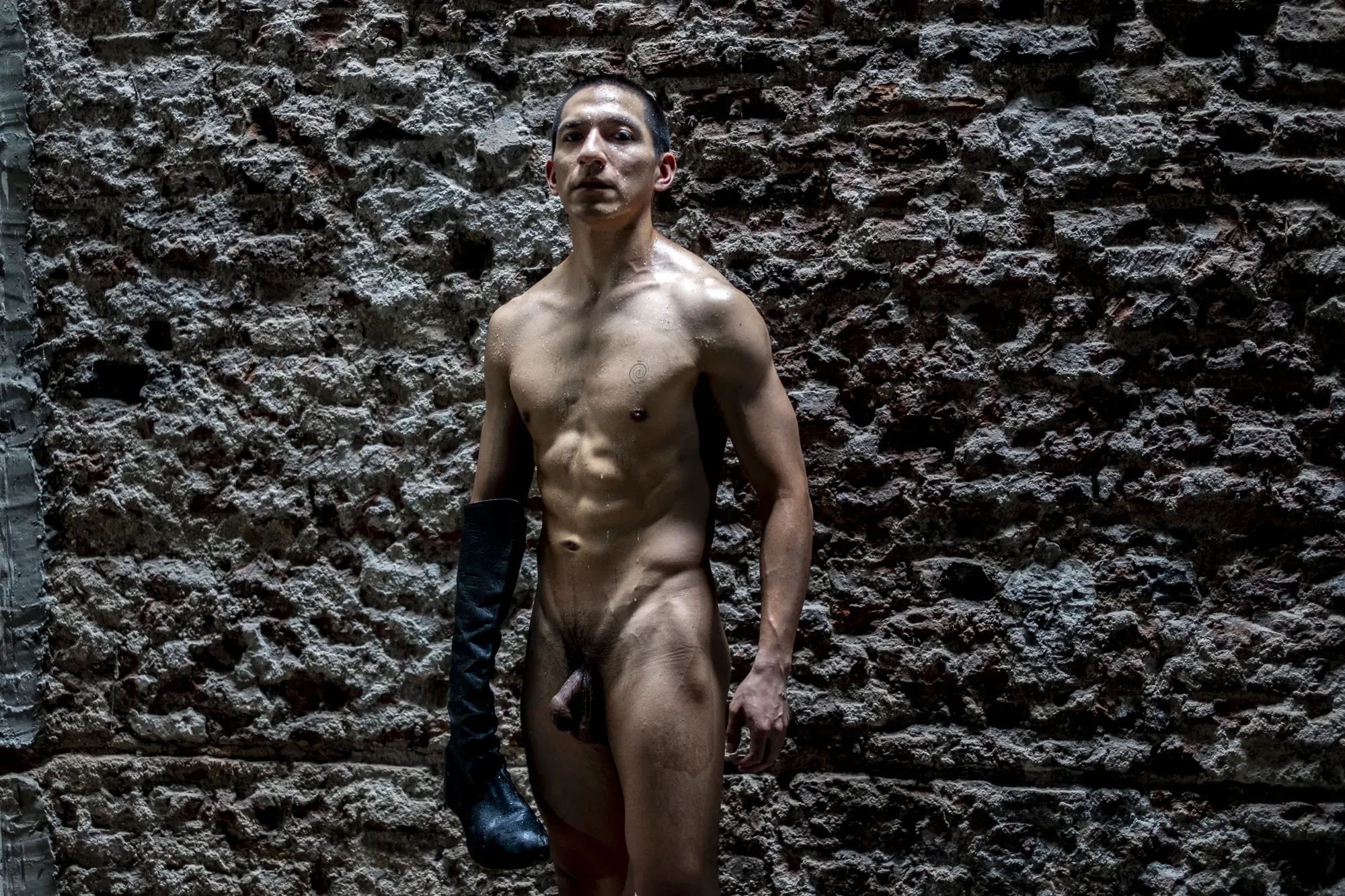
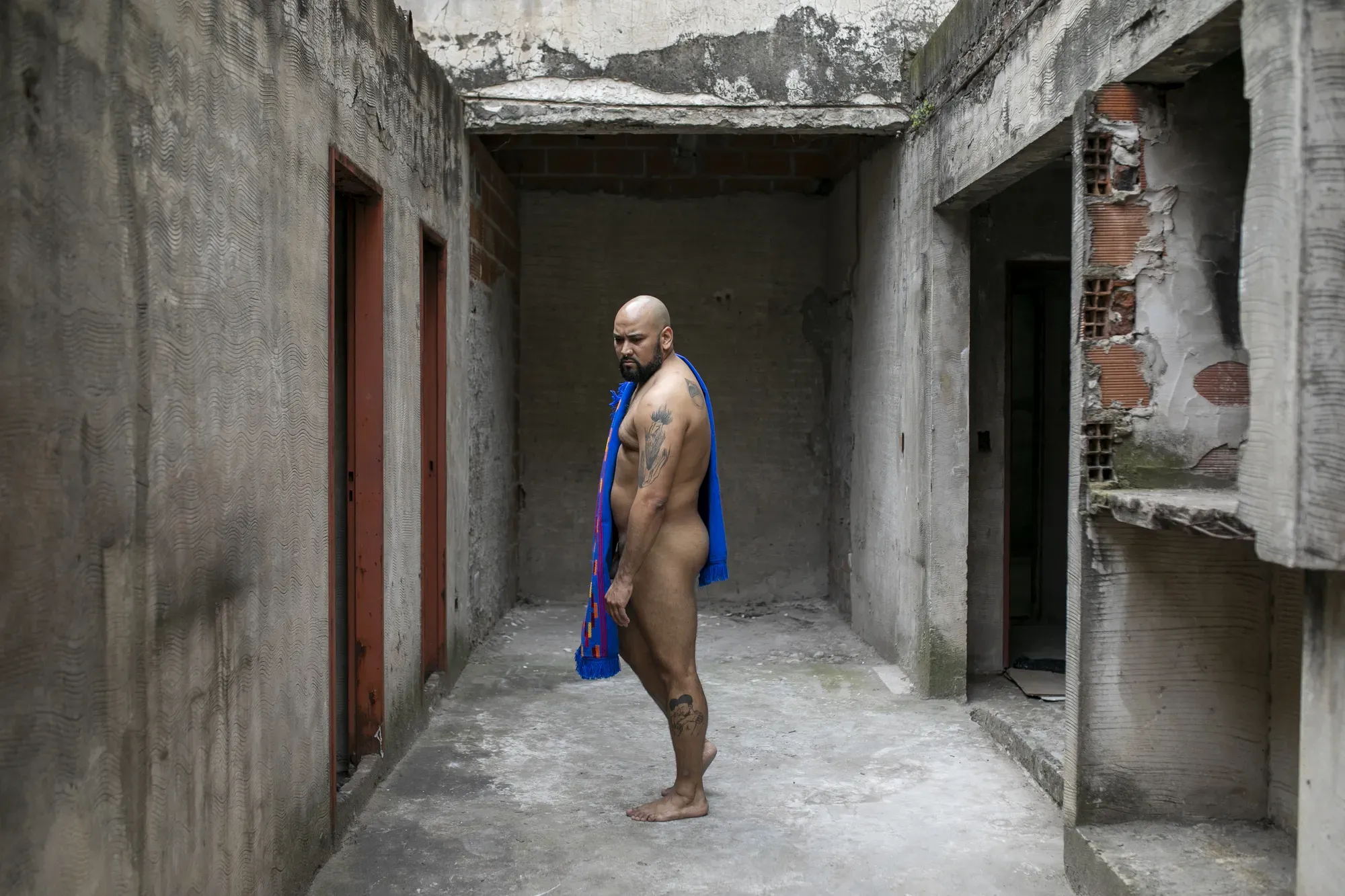
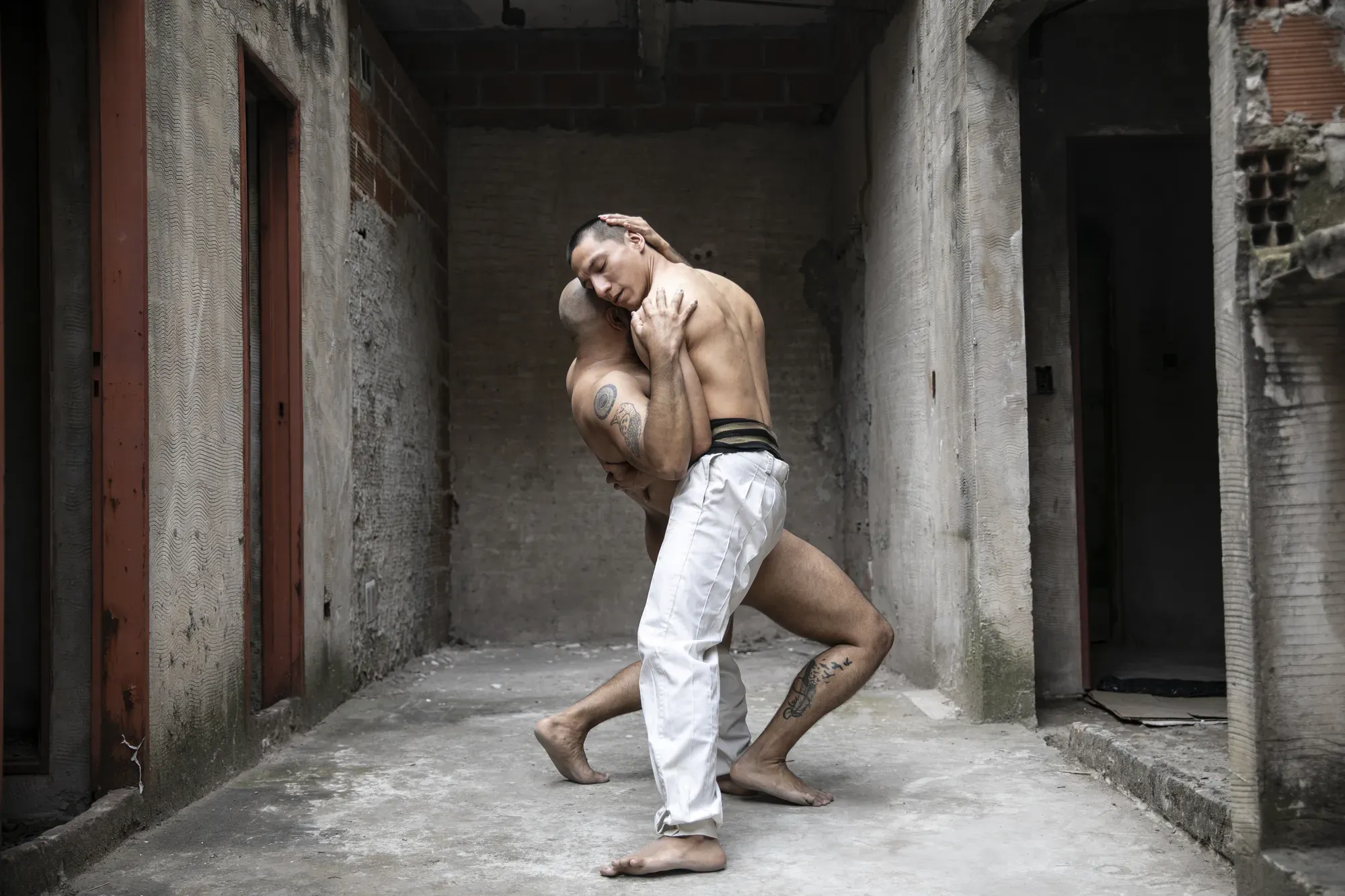
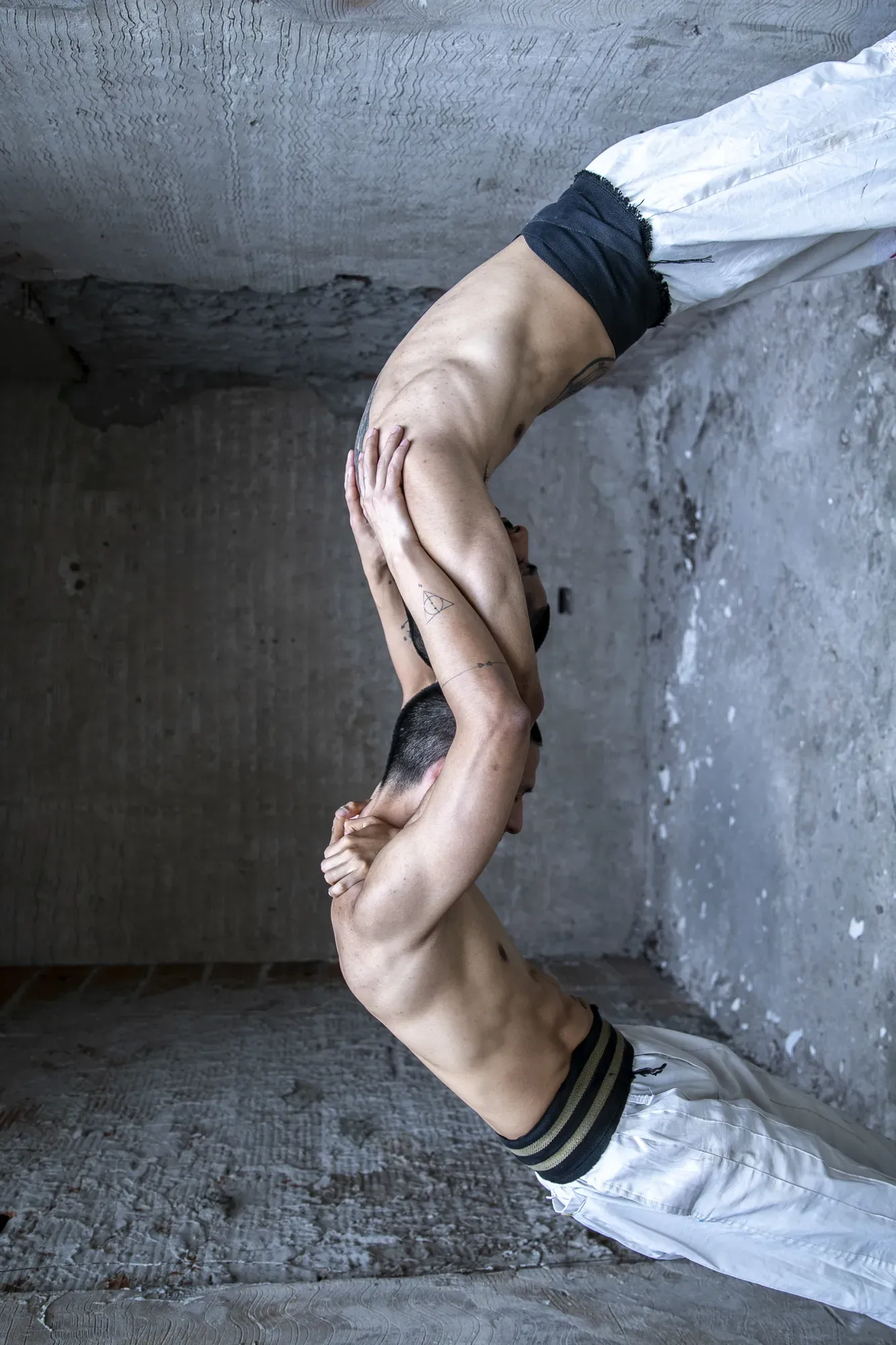
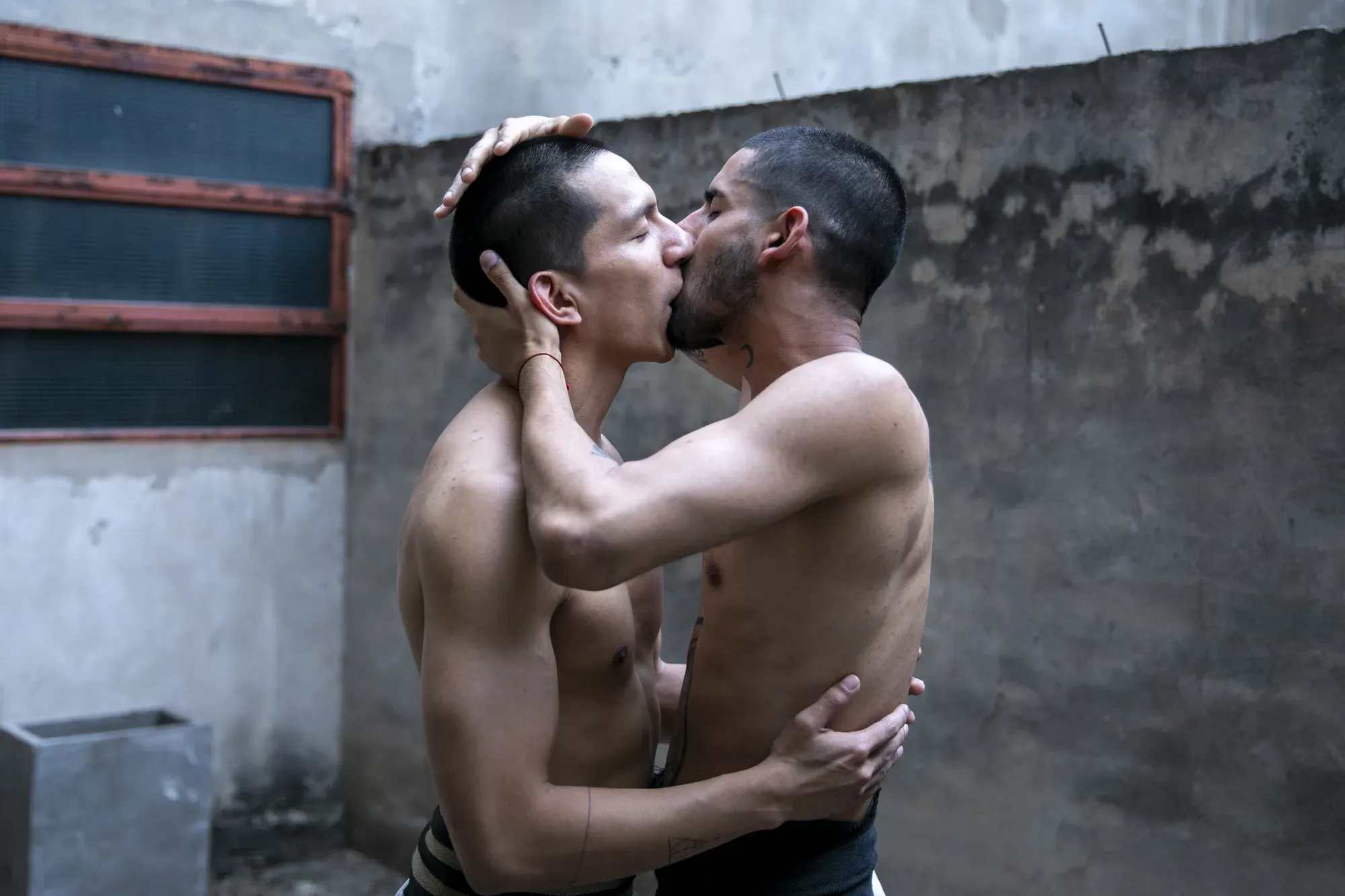
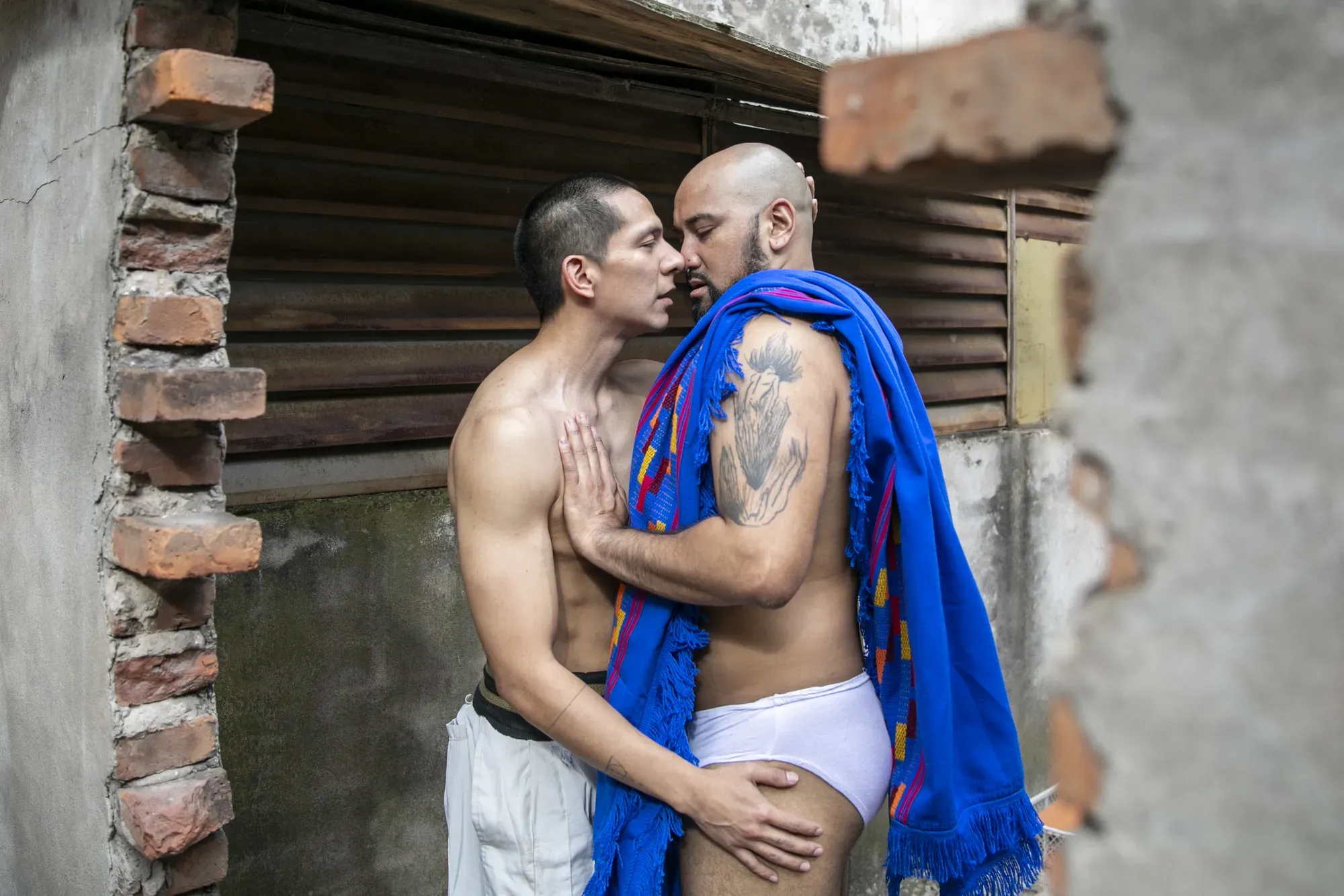
Macho begins from an inherited image: white, firm, proper. A body projected as ideal, polished by mandates of strength, control, and beauty. But what appears does not confirm that fantasy—it dismantles it. The body presents itself as a living surface, made of layers. Layers of skin that cover, conceal, and erode what is expected of it. Beneath each gesture persists a learned language, a choreography of toughness, courtesy, tension, and dominance. Movement repeats the mandate, yet something begins to loosen. In that wear, the body lets its fissures seep through. What once seemed solid becomes porous. Rigidity fractures, and in that break another presence emerges: a body that disobeys, that no longer fully responds, that shifts away from the ideal without seeking to replace it. The series inhabits this moment of transformation—a suspended time in which the macho no longer asserts itself as certainty, but becomes a question. Photography does not describe or denounce; it summons a sensorial experience where masculinity appears as a territory crossed by tensions, silences, and fragility. The Macho proposes a poetics of rupture. Where hegemonic discourse attempts to correct and normalize bodies, the image insists on what resists. In the crack, the body reveals its glow—not the glow of perfection, but that of what dares to appear vulnerable, multiple, and indeterminate.